
A closer look at scalp acupuncture
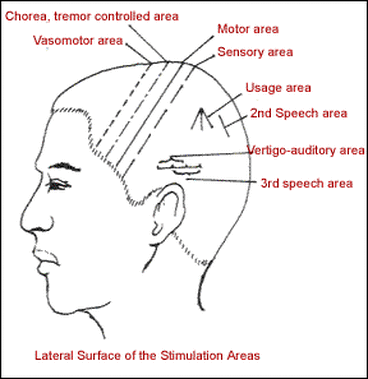
A reference illustration of scalp treatment areas. Your practitioner can explain which areas may be considered in your individual care plan.
How does scalp acupuncture differ from body acupuncture?
Scalp acupuncture focuses on the tissues of the scalp, while body acupuncture uses points across other parts of the body. Needles used in scalp acupuncture remain outside the skull. Point selection and the combination of techniques are matters to discuss with the practitioner after reviewing your concerns.
Changping Yao’s training includes specialized scalp acupuncture techniques. At your first visit, ask why this technique may suit your goals and whether body acupuncture or a non-needle option would also be reasonable.
Can scalp acupuncture be part of neurological care?
It may be discussed as complementary care while established neurological treatment and rehabilitation continue. Research on scalp acupuncture for stroke recovery includes small clinical trials. A systematic review of 21 randomized trials reported possible benefits but found methodological weaknesses that prevent confident conclusions about effectiveness.
A history of stroke, Parkinson’s disease, or trauma deserves a plan coordinated with the relevant medical professionals. Scalp acupuncture has not been established as a way to reverse brain injury, restore dopamine, or cure a neurological condition. Treatment goals need to be specific, realistic, and reviewed in light of your overall care.
What information helps before a scalp acupuncture visit?
Bring a summary of the diagnosis, current medicines, and rehabilitation activities, along with any instructions from your treating clinician. Explain how symptoms affect daily life and whether you need help with positioning, balance, communication, or getting onto a treatment table. A family member or caregiver can help share that history if you wish.
Also mention scalp sensitivity, skin irritation, recent head surgery or injury, a bleeding condition, and medicines that affect clotting. Your comfort with touch and needling matters. Discuss a way to pause the session, and tell the practitioner if a position or sensation becomes uncomfortable.
Further reading
Explore the research and safety information behind these treatment discussions.
- NCCIH: Acupuncture — Effectiveness and Safety ↗
- PubMed: Systematic review of scalp acupuncture trials for stroke ↗
Health information is educational. Your practitioner can discuss how it applies to your history and current medical care.